
Have you ever had a moment where someone said something completely minor, and suddenly you felt a wave of intense anger, panic, or defensiveness wash over you?
Before you even realized what was happening, you snapped, shut down, or walked away—only to regret it an hour later. If this sounds familiar, this article is for you. You aren’t "overly sensitive," and you certainly aren't broken. You are simply experiencing emotional triggers. Emotional triggers are incredibly powerful forces. They actively shape our thoughts, actions, and relationships—often without us even realizing it. But once you understand them, you gain the ultimate superpower: the ability to respond rather than just react.
## "Between stimulus and response, there is a space. In that space is our power to choose." — Viktor Frankl
Let’s look at what these triggers actually do to us, how to spot them, and how you can reclaim your peace of mind.
What Exactly is an Emotional Trigger?
Think of emotional triggers as internal buttons hidden inside your mind. When external events, specific words, or stressful situations press these buttons, they instantly activate old emotions, memories, and deeply rooted beliefs from your past. Instead of dealing with what is happening right now in the present moment, your brain automatically defaults to an old script, forcing you into an immediate, automated reaction.
What Do Triggers Actually Do to Us?
Triggers don't just make us feel upset; they completely alter how our mind and body function in real-time. Here are the five main ways triggers impact your life:
1. They hijack your nervous system: A trigger pushes you straight into survival mode. Your brain senses danger, launching you into a state of fight, flight, freeze, or fawn. 2. They distort your perception: You stop seeing reality clearly. Instead, you view the present situation through the painful lens of past experiences. 3. They influence your reactions: This is where the regret happens. Triggers often drive us to say words or take actions we wish we could take back later. 4. They impact your relationships: When automatic reactions take over, they create unnecessary misunderstandings, emotional distance, or explosive conflicts with the people we love. 5. They keep us stuck: If left unaddressed, triggers trap us in repetitive cycles of pain, severely limiting our personal growth and inner peace. Common Examples of Emotional Triggers Triggers look different for everyone, but many of us share the same core emotional buttons. Do any of these common examples resonate with you?
Criticism: Feeling judged or evaluated unfairly. Rejection or abandonment: The fear of being left behind or unloved. Being ignored: Feeling invisible, unheard, or unimportant. Feeling disrespected: When you feel your boundaries or worth are being dismissed. Comparisons: Measuring your life, success, or worth against someone else. Loud tones or harsh words: Shouting or aggressive body language that feels threatening. Certain places or memories: Environments that remind you of a difficult time in your past. Feeling rushed or controlled: Losing your sense of autonomy or freedom.
Your 5-Step Roadmap to Working Through Triggers
You don’t have to be a victim to your automatic reactions forever. The Self Academy outlines a simple, actionable 5-step process to help you regain control when your buttons get pushed:
1. PAUSE The second you feel that familiar surge of heat, anger, or anxiety, stop. Notice the feeling. Simply recognizing and naming that you are triggered is the vital first step to breaking the cycle. 2. BREATHE Your nervous system is currently trying to hijack your brain. Take a few slow, deep breaths to physically signal to your body that you are safe. This calms your heart rate and stabilizes your nervous system. 3. EXPLORE Get curious instead of furious. Ask yourself a gentle question: “What is this situation actually reminding me of?” Shift the focus from the person who triggered you to the underlying root cause. 4. HEAL Give yourself permission to sit with the discomfort. Allow yourself to truly feel, release, and heal the old wound rather than burying it or masking it with anger. 5. CHOOSE Now that you've created space between the stimulus and your response, you have the power to choose. Respond with conscious awareness and maturity, rather than letting an automatic reaction dictate your behavior. You are not too sensitive. You are not broken. You are becoming aware.
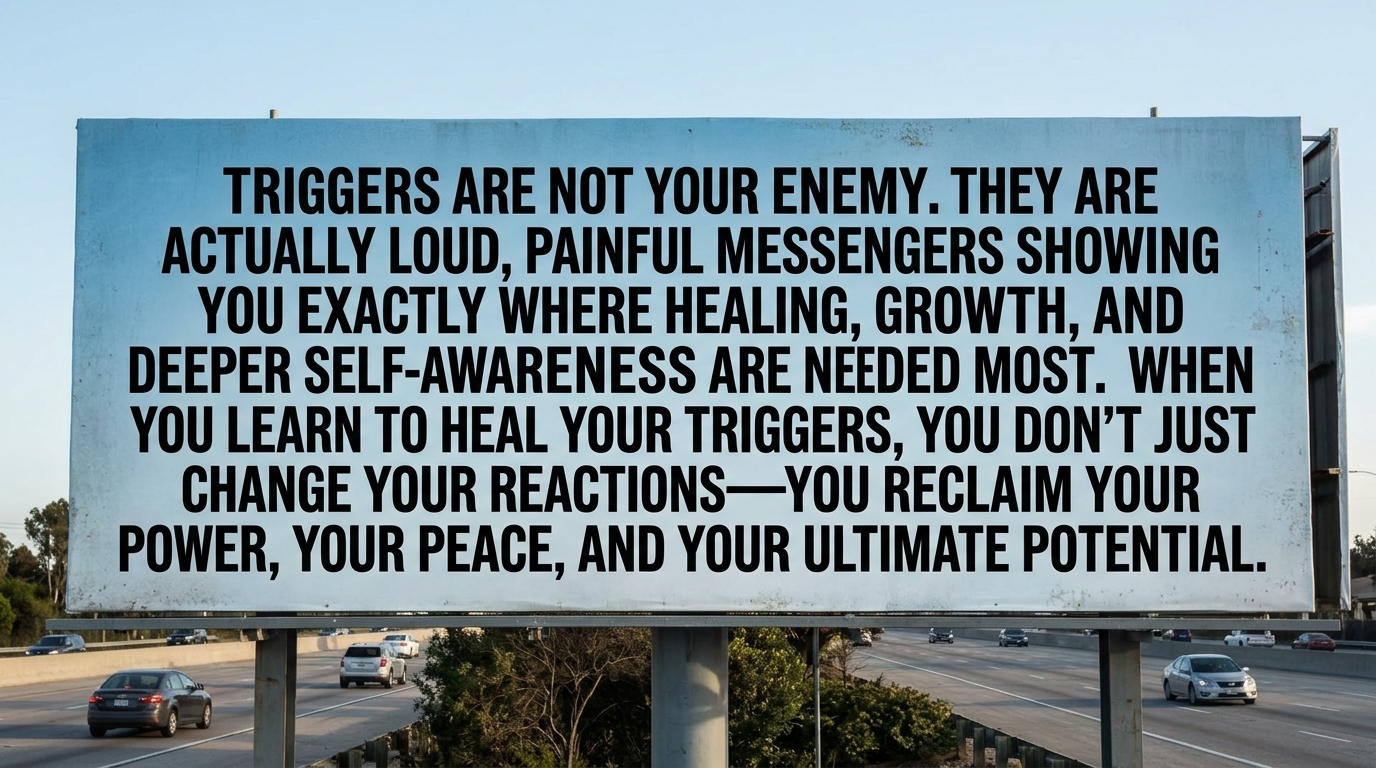
Triggers are not your enemy. They are actually loud, painful messengers showing you exactly where healing, growth, and deeper self-awareness are needed most. When you learn to heal your triggers, you don't just change your reactions—you reclaim your power, your peace, and your ultimate potential.
Ready to Build True Emotional Strength? You don't have to navigate this journey alone. At The Self Academy, we specialize in helping you dismantle automatic reactions and build lasting emotional resilience. Awareness today, Empowered tomorrow. 👉 Take control of your emotional well-being: Visit www.tsacoaching.com to explore our coaching programs or reach out directly at +91 72043 08070 to book your introductory consultation today. Let's unlock your peace together.
Free 30-min ConsultationFound this useful?
Get the free parent guide — Keys to Understanding Your Teenager.
Download the Free GuideBecome Emotionally Smarter Every Week.
Get practical psychology and emotional intelligence tools delivered to your inbox.
No spam. Unsubscribe anytime.